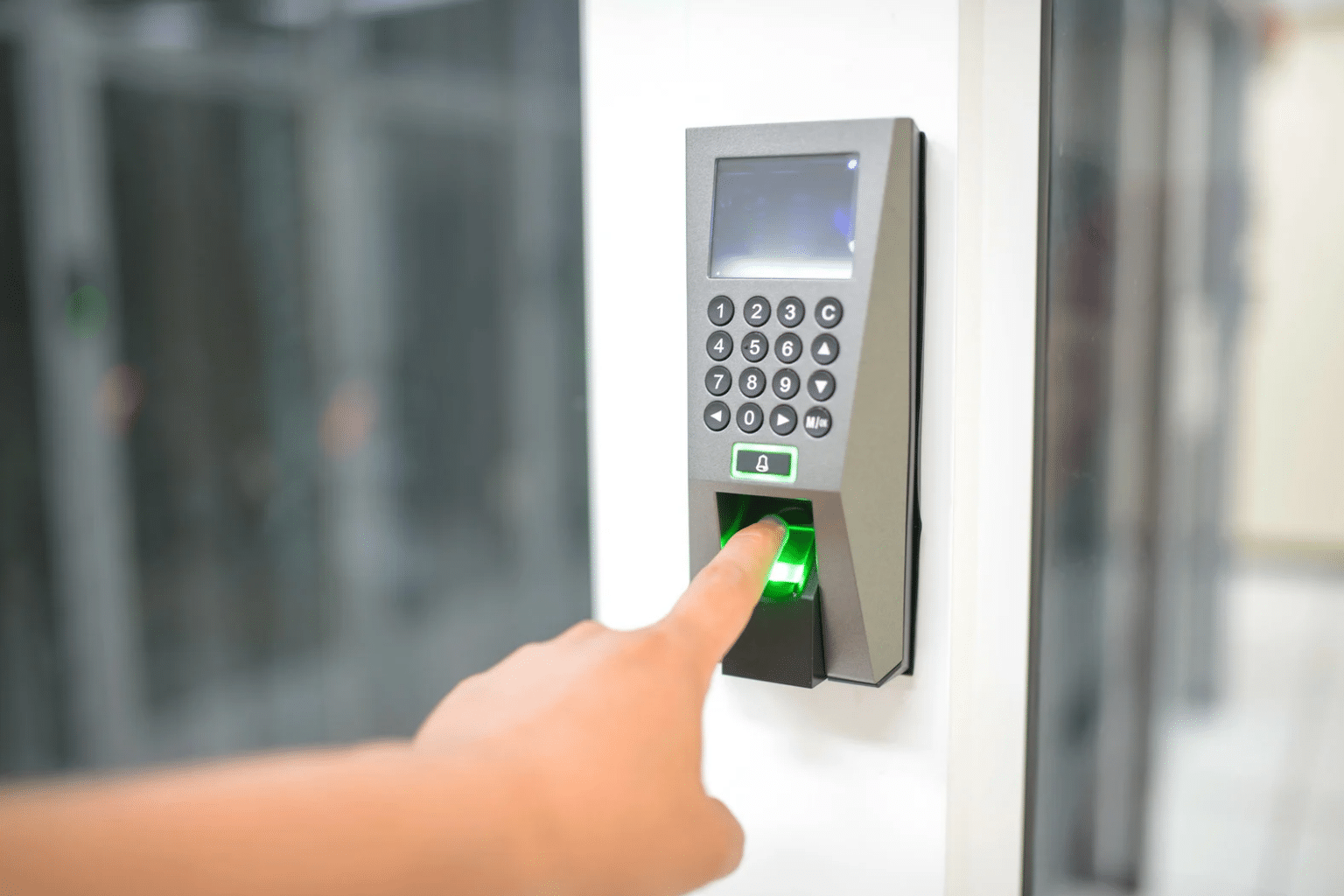
What Happens to Security Systems During Power Outages?
What happens to your security system during a power outage? Learn how long alarm batteries last, what fails first, and how home backup power keeps systems connected.

Switching to solar energy is a big decision. For many homeowners, it’s one of the most important upgrades they will ever make to their property. While the benefits are clear—lower electricity bills, energy independence, and long-term savings—the process itself is not always well understood.
Before moving forward, it helps to know what really matters when planning a solar installation and how to avoid common mistakes that many homeowners make.
Companies like HomeLink focus on educating homeowners first, so they can make informed decisions without confusion or pressure.
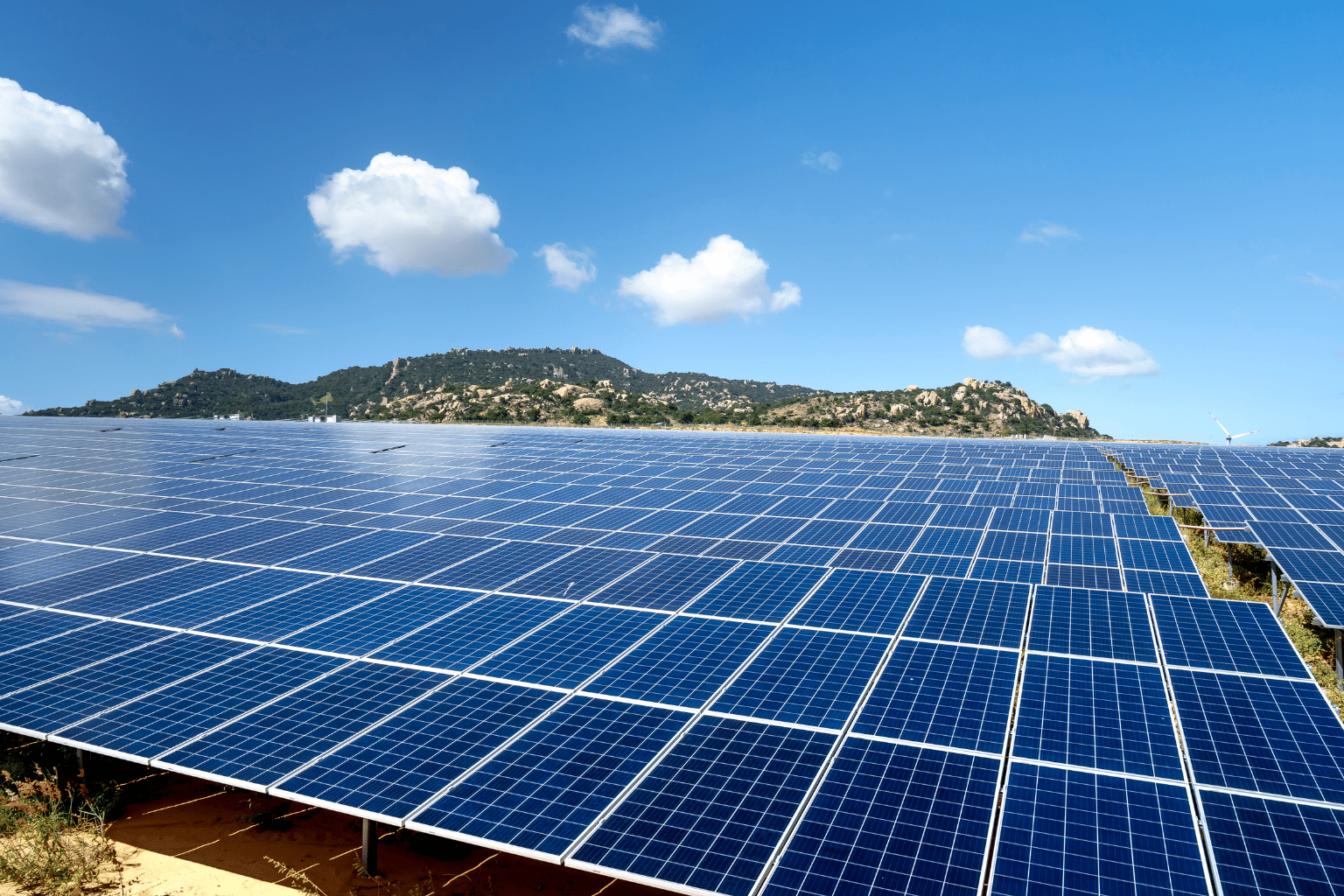
Solar panels convert sunlight into electricity that powers your home. Any extra energy produced can often be sent back to the grid, depending on your local utility setup, which may help reduce your electricity bill.
However, the system is not “plug and play.” A properly designed solar setup depends on several factors:
This is why every home requires a custom solar plan instead of a one-size-fits-all solution.
One of the most important steps in any solar project is the initial evaluation.
A proper assessment helps determine whether solar is a good fit for your home and what system size would be most effective. Without this step, homeowners risk installing a system that does not match their actual energy needs.
At HomeLink, the focus is on providing clear and honest evaluations so homeowners understand what to expect before making any commitment.
Solar pricing can vary from home to home. Many homeowners are surprised by this, but it makes sense when you consider all the variables involved.
Key factors include:
A trustworthy solar provider will clearly explain these factors instead of hiding them in complex contracts or unclear pricing structures.
One of the most common complaints in the solar industry is aggressive selling. Some companies push homeowners to sign quickly by offering “limited-time deals” or making unrealistic promises.
This often leads to confusion and regret later on.
A better approach is simple: take time to understand the system, compare options, and make a decision that fits your long-term goals.
That’s why companies like HomeLink prioritize transparency over pressure. Homeowners should feel informed, not rushed.
Before choosing a solar installer, homeowners should look for a few key qualities:
A company that meets these standards is more likely to deliver a smooth installation experience and reliable long-term performance.
Many homeowners think the job ends once solar panels are installed, but that is not entirely true.
A solar system is a long-term investment that requires proper monitoring and occasional maintenance. A reliable installer should remain available for support after the installation is complete.
HomeLink focuses on building long-term relationships with homeowners, not just completing one-time installations.
When properly installed, solar energy can provide benefits for many years. Homeowners often see:
However, these benefits depend heavily on choosing the right system and the right installation team.
Solar energy is a smart investment, but only when it’s done correctly. Taking the time to understand your options, ask questions, and choose the right company makes a significant difference in the outcome.
A trustworthy solar provider should guide you through the process with clarity and honesty from start to finish.
What happens to your security system during a power outage? Learn how long alarm batteries last, what fails first, and how home backup power keeps systems connected.

CPAP, oxygen concentrators, dialysis, ventilators: real wattage numbers for common medical devices and how to size backup power around them.
Should I install solar before rates increase? Yes, in most cases, here’s how locking in your rate actually works and what it saves.