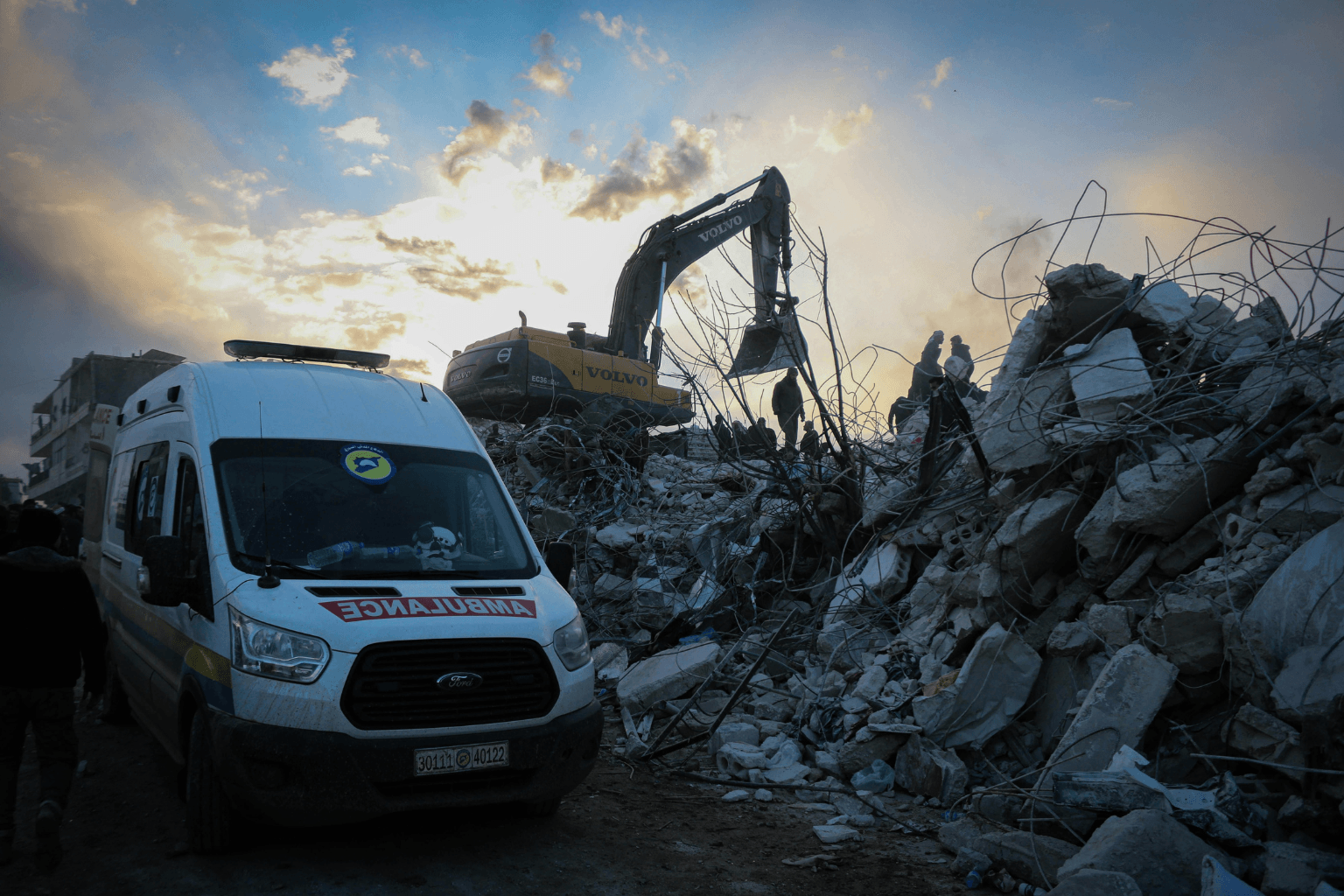
When the 1994 Northridge earthquake hit Los Angeles, it knocked out power to more than 825,000 Southern California Edison customers in a matter of seconds. Crews had most of it back within a day. Other neighborhoods, especially those near damaged substations, waited far longer.
A power outage after earthquake damage is not like a normal blackout. It is not a tripped breaker or a storm that passes through. It is a grid that has been physically damaged, and in some cases intentionally shut down for safety, while crews inspect every line before turning it back on. Understanding why that happens, and how long it tends to last, is the first step to actually planning around it.
Why Do Earthquakes Cause Power Outages That Last for Days?
A single earthquake can knock out power in more ways than most people expect:
- Substation damage. Transformers and switching equipment can crack or shift during strong shaking, and they are not quick to repair.
- Downed and damaged lines. Falling debris, collapsed structures, and ground movement can sever both overhead and buried lines.
- Safety shutdowns. Utilities intentionally de-energize circuits near visible damage until crews can confirm it is safe to restore power. This is a deliberate delay, not a failure.
- Gas and water line breaks. Damaged gas lines create fire risk that can force utilities to keep power off in an area even longer.
- Aftershocks. Repair crews may need to pause or restart inspections every time a new aftershock hits, which can stretch a restoration timeline from hours into days.
The scale can be enormous. The 1994 Northridge earthquake caused roughly 2.5 million customer outages across the Los Angeles area. Most service was restored within days, but neighborhoods closest to the damage waited longer while engineers cleared buildings and lines as safe. For context on just how disruptive a large urban quake can be, the 2011 Tohoku earthquake in Japan left roughly 4.4 million households without power, with restoration in some areas taking days even where the physical infrastructure was still intact.
What the HayWired Scenario Tells Us About the Next Big One
The USGS HayWired Scenario, a detailed modeling study of a magnitude 7.0 earthquake on the Hayward Fault, projects 800 deaths and 16,000 nonfatal injuries from shaking alone, along with more than $82 billion in property and business interruption losses. The same USGS study estimates that even under current building codes, a meaningful share of Bay Area buildings could be left unsafe to occupy or under restricted use after a quake like this, which gives a sense of how widespread and prolonged the recovery period could be, power included.
This is not a one-off risk either. According to the Earthquake Country Alliance, citing USGS data, California has more than a 99 percent chance of a magnitude 6.7 or larger earthquake within the next 30 years. The infrastructure that keeps your lights on was mostly built before anyone had these numbers.
[Infographic: What Happens to Your Power After a California Earthquake?]
How Earthquake Outages Compare to Other California Power Events
| Event | Typical Cause | Reported or Projected Outage Duration |
|---|---|---|
| 1994 Northridge Earthquake (M6.7) | Substation and line damage | Majority restored within 24 hours; some neighborhoods took several days |
| HayWired Scenario (M7.0, projected) | Widespread substation, line, and structural damage | Modeled to disrupt power and other lifelines for days to weeks in the hardest-hit areas |
| Public Safety Power Shutoff (PSPS) | Preventive shutoff during wildfire-risk weather | Average outage is almost two days, with some events lasting more than six |
Earthquakes and PSPS events have different causes, but the outcome for your household is the same: the grid goes down with little or no warning, and it can stay down long enough to matter.
What Appliances Should Stay Powered During an Earthquake Outage?
Not every circuit in your home needs backup power. Most households get the most value from covering a short list of essential loads:
| Priority Load | Why It Matters |
|---|---|
| Refrigerator and freezer | Protects food safety and any refrigerated medication |
| Medical devices | CPAP machines, oxygen concentrators, and similar equipment often cannot go without power |
| Lighting | Especially in bathrooms, hallways, and stairways, where debris from the quake may be a hazard |
| Wi-Fi router and phone charging | Keeps your household reachable for emergency alerts and check-ins |
| Garage door opener | Matters if your only vehicle access runs through it |
| Well pump (if applicable) | No power often means no running water for homes on a private well |
Whole-home air conditioning and electric ranges are usually left off a critical loads plan since they draw the most power for the least added safety benefit.
Can Solar Alone Keep My Home Powered After an Earthquake?
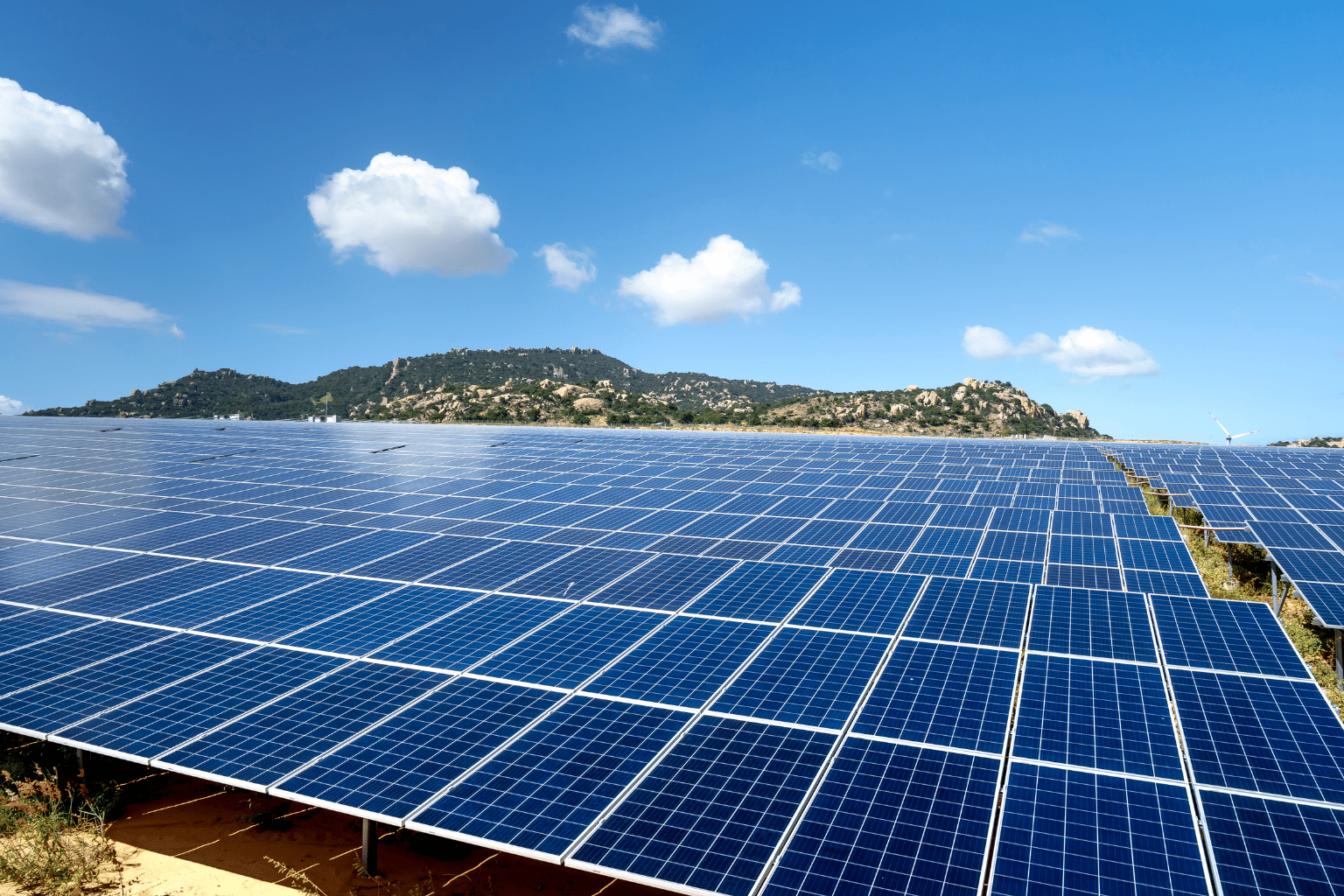
No, not without a battery. Standard grid-tied solar systems are required to shut down automatically the moment the grid goes down. This is a federal safety rule (UL 1741 and IEEE 1547), sometimes called anti-islanding protection, and it exists so that repair crews are not at risk of a home system backfeeding power into a line they believe is dead. The California Public Utilities Commission confirms this directly: most solar systems only power your home during an outage if they are specifically designed to island, typically with an added battery.
That means solar panels alone, no matter how large the system, will not run your refrigerator during an earthquake outage. A battery is what actually makes backup power possible.
How Does a Whole-Home Battery System Respond to a Grid Outage?
A properly installed battery system, paired with an automatic transfer switch or gateway, continuously monitors the incoming grid connection. The moment it detects an outage, it disconnects your home from the grid and switches to stored battery power, usually within milliseconds. Most households do not notice the transition at all: lights stay on, the router stays connected, and the refrigerator keeps running.
According to the CPUC, a single battery can typically power priority appliances for 24 to 48 hours during an outage. If solar panels are also installed and the sun is out, the battery can recharge during the day and extend that runtime indefinitely for as long as the outage lasts.
There are two common ways to design a system:
- Critical loads backup: A subpanel powers only your chosen circuits, like the fridge, Wi-Fi, and a few outlets and lights. This is the more affordable option and covers most households’ actual needs during an outage.
- Whole-home backup: A larger system, usually multiple batteries, designed to run most or all of your home’s circuits, including air conditioning. This costs more but removes the need to choose which rooms or devices get power.
HomeLink Solar designs both configurations around your household’s actual usage rather than a generic template, and offers this through the Power Choice Program, which brings the upfront cost to $0 for qualifying homeowners.
A power outage after earthquake damage is not a question of if, it is a question of how long and how prepared your home is when it happens. Securing your home and building an emergency kit covers the basics. A whole-home or critical-loads battery system covers what those kits cannot: keeping your refrigerator, medical devices, and communication running for as long as the grid stays down.
HomeLink Solar designs battery backup systems sized around your home’s actual essential loads, with no upfront cost through the Power Choice Program.
Frequently Asked Questions
Why do earthquakes cause power outages that last for days?
Earthquakes damage substations, snap both overhead and buried power lines, and can trigger fires from broken gas lines. Utilities also intentionally shut off power near visible damage until crews can confirm it is safe to restore, which adds time. Aftershocks can further delay inspections and repairs, stretching what might otherwise be a same-day fix into a multi-day outage.
What appliances should stay powered during an earthquake outage?
Priority loads typically include the refrigerator and freezer, medical devices, lighting in hallways and stairways, a Wi-Fi router and phone chargers, the garage door opener, and a well pump if your home has one. Whole-home air conditioning and electric ranges are usually left off a basic backup plan since they use the most power for the least added safety value.
Can solar alone keep my home powered after an earthquake?
No. Standard grid-tied solar systems automatically shut down during a grid outage under a federal safety rule called anti-islanding protection, so repair crews are not put at risk. Only a solar system paired with a battery, specifically designed to island from the grid, can keep your home powered during an outage.
How does a whole-home battery system respond to a grid outage?
A battery system with a transfer switch or gateway constantly monitors the grid connection. When it detects an outage, it switches your home to stored battery power automatically, usually within milliseconds, so there is no noticeable interruption. Depending on the system design, it can back up a chosen set of critical circuits or your entire home.
How fast can HomeLink Solar install a battery backup system?
Once your system design is approved and permits clear with your city, most single-battery installations at HomeLink Solar are completed in a single day on site. Owner Mandy oversees every install personally, with no subcontractors, so there is one point of accountability from your initial consultation through activation. Exact timelines depend on local permitting, which varies by city, but the Power Choice Program is built to move qualifying homeowners from consultation to a working battery backup system as quickly as your city’s process allows.