California homeowners are facing a new reality. Electricity rates keep climbing, power outages are becoming more common, and electric vehicles are pushing household energy use higher than it used to be. For thousands of families across Southern California, the answer to all three is the same: solar energy.
Today’s solar systems do more than shrink your electric bill. Paired with battery storage, modern solar gives homeowners real control over their energy, backup power during outages, and long-term savings that keep paying off for decades.
This guide covers the real benefits of solar energy for California homeowners in 2026: what’s changed, what’s still worth it, and how to think clearly about whether solar makes sense for your home.
Why More California Homeowners Are Going Solar
California remains the nation’s leader in residential solar adoption, and a few forces are driving that:
- Rising utility rates
- Frequent Public Safety Power Shutoffs (PSPS)
- Growing electric vehicle adoption
- Rising demand for home battery storage
- Desire for predictable monthly energy costs
For a lot of homeowners, the advantages of solar energy stopped being about “going green” a while back. It’s now mostly about protecting household finances. Electricity costs from investor-owned utilities have risen sharply over the past several years, and producing your own electricity provides far more stability than relying entirely on the grid.
Benefits of Solar at a Glance
| Benefit | Without Solar | With Solar |
|---|---|---|
| Monthly electric bills | High and increasing | Significantly reduced |
| Utility rate increases | Full exposure | Reduced impact |
| Power outages | No backup | Backup power with battery |
| Home value | Standard | Often increased |
| EV charging | Utility rates | Solar-powered charging |
| Energy independence | Low | High |
Lower Monthly Electric Bills
For most homeowners, cutting monthly utility bills is the main reason to install solar in the first place. Instead of buying all of your electricity from the utility, your home generates much of its own energy from sunlight, and the more it produces, the less you need to purchase.
Depending on your home size, energy usage, utility company, system size, and whether you add battery storage, many homeowners see a substantial drop in their monthly electric bill.
Why Bills Keep Rising Without Solar
California utilities continue investing billions into grid modernization, wildfire mitigation, infrastructure upgrades, and transmission improvements. Those costs get passed along to customers over time. Installing solar reduces how much of that rising cost you’re exposed to.
Protection From Rising Utility Rates
One of the biggest advantages of solar isn’t this year’s savings, it’s next decade’s. Every future rate increase hits homeowners without solar much harder than it hits homeowners producing a good chunk of their own electricity.
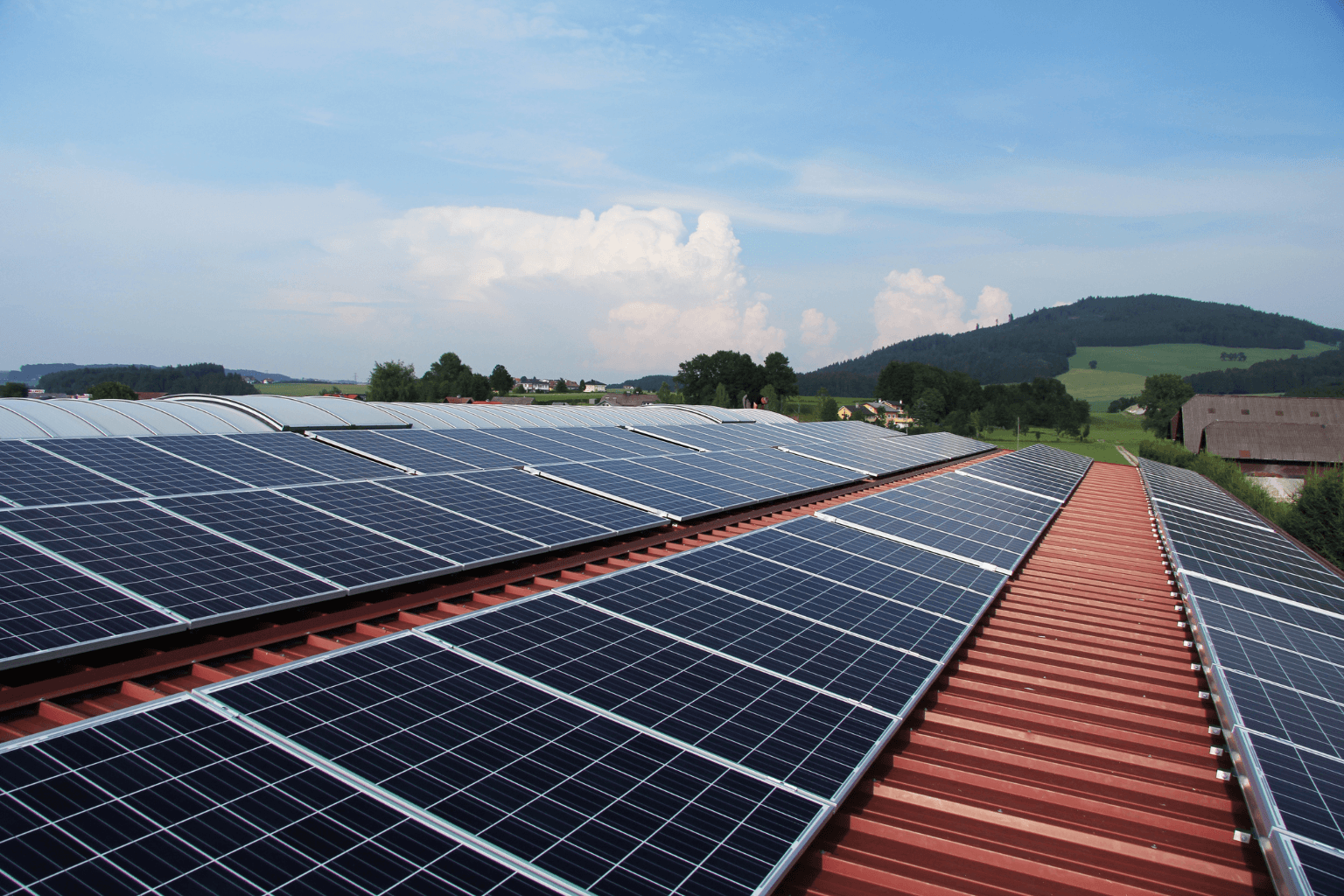
Think of solar as locking in a large share of your energy costs. Instead of paying whatever the utility charges years from now, your roof becomes your own small power plant, which means more predictable monthly expenses and less exposure to future rate hikes.
Solar + Battery: The Modern Standard
Today’s strongest systems pair solar panels with home battery storage. Rather than sending all your excess energy back to the grid, a battery stores unused solar power for later, so you can use it during evening hours, during peak pricing, or during an outage.
This matters more than it used to. Under California’s current Net Billing Tariff, exporting solar power back to the grid pays much less than it did under the state’s older net metering rules. Storing that energy yourself is now where most of the financial upside actually lives.
Benefits of a Whole Home Battery
Battery storage has quickly become one of the most valuable upgrades available to homeowners.
Backup Power
Instead of losing power during an outage, a battery automatically supplies electricity to your home. Depending on battery size and household usage, homeowners can keep running lights, internet, refrigeration, medical equipment, security systems, and in many cases HVAC.
Greater Savings
Many California utility plans charge significantly more during evening peak hours. A battery lets you store daytime solar energy and use it during those expensive hours instead, reducing how much electricity you buy from the grid.
Better Energy Management
Modern battery systems intelligently decide when to charge, discharge, and back up, so you get the most value out of every kilowatt-hour your solar system produces.
Solar vs Solar + Battery
| Feature | Solar Only | Solar + Battery |
|---|---|---|
| Lower bills | Yes | Yes, more so |
| Backup power | No | Yes |
| Evening energy use | Utility power | Stored solar |
| Peak rate protection | Partial | Excellent |
| Outage protection | No | Yes |
| Energy independence | Moderate | High |
Increased Home Value
Solar can also make a home more appealing to buyers. Many appreciate features like lower utility bills, modern energy technology, backup power, EV readiness, and energy-efficient upgrades. As electricity costs keep climbing, homes with quality solar and battery storage tend to stand out more in the marketplace, since predictable energy costs are a real advantage over a comparable home without solar.
Environmental Benefits of Solar Energy
Solar is one of the cleanest ways to generate electricity. Unlike fossil fuel generation, solar panels produce electricity without combustion or direct emissions during operation, which means reduced carbon emissions, less reliance on fossil fuels, and cleaner local air. Many homeowners like knowing they’re cutting their environmental footprint while also saving money.
What Happened to the Federal Solar Tax Credit?
This is worth addressing directly, since a lot of older solar content online is now out of date. The federal Residential Clean Energy Credit (Section 25D), which for years let homeowners claim 30% of qualifying solar and battery costs, is no longer available for property placed in service after December 31, 2025. If your system was installed and paid for before that date, you may still be able to claim the credit on that tax year’s return. For systems installed in 2026 or later, the federal credit does not apply.
That doesn’t mean the financial case for solar disappeared. State-level incentives, utility rebate programs, and property tax treatment vary by location and can still meaningfully offset project costs, and the core savings from generating your own electricity and avoiding rising utility rates remain the biggest driver of long-term value. Because tax situations vary, homeowners should talk to a qualified tax professional about their specific circumstances rather than assuming any credit applies.
Energy Independence
One of the biggest shifts homeowners notice after installing solar is how much more control they have over their own energy. Rather than depending entirely on the utility, your home starts producing a real share of what it consumes, which means more control, less exposure to utility pricing, and more resilience during outages. That independence grows even further once you add whole-home battery storage.
Protection During Power Outages
Power outages have become more common throughout California, whether from wildfires, high winds, equipment failures, Public Safety Power Shutoffs, or severe weather. Without a battery, a standard grid-tied solar system generally shuts down during an outage for safety reasons. Adding battery storage changes that. When the grid goes down, the battery can keep powering your home automatically, running essential systems until utility service returns.
Future-Proofing Your Home
Modern homes increasingly run on electricity, for vehicles, appliances, heating, cooling, smart home devices, and home offices. Installing solar now prepares your home for tomorrow’s growing electrical demand instead of leaving you fully exposed to whatever utility rates look like a decade from now.
EV Readiness
Electric vehicle ownership keeps growing across California, and charging an EV from utility power alone can noticeably raise your monthly bill. Solar changes that equation, lowering charging costs and reducing your dependence on gasoline. If you’re planning to buy an EV in the next few years, sizing your solar system with that in mind today can make a real difference later.
Is Solar Worth It?
Homeowners searching “is solar worth it in California” usually fall into one of two groups.
Consider solar if:
- Your electric bills are increasing
- You plan to stay in your home for a while
- You want backup power
- You own or plan to buy an EV
- You value predictable energy costs
- You want greater energy independence
Solar may be less ideal if:
- Your roof needs replacing first
- Your property has significant shading that can’t be addressed
- You plan to move very soon and won’t capture the long-term value
A professional assessment can tell you whether your home is a strong candidate and what system size actually makes sense.
Comparing Energy Options
| Option | Monthly Savings | Outage Protection | Rate Protection |
|---|---|---|---|
| Utility Only | Low | No | No |
| Solar Only | High | No | Good |
| Solar + Battery | Highest | Yes | Excellent |
Frequently Asked Questions
How much can solar reduce my electric bill?
Savings vary depending on your energy usage, utility rates, system size, and whether you add battery storage, but many homeowners significantly reduce the amount of electricity they purchase from the utility.
Do I still receive an electric bill?
Usually yes. Most homeowners stay connected to the grid and may still receive a utility bill for any electricity used beyond what their system generates or stores, plus applicable utility charges.
How long do solar panels last?
Most quality solar panels are built to operate for 25 years or more, with many continuing to produce electricity well beyond that.
Is a battery required?
No, but battery storage adds real value, including backup power, more control over energy use, and protection from high time-of-use rates.
Will solar work during a power outage?
A standard grid-tied solar system typically shuts down during an outage for safety reasons. A properly designed battery backup system can keep supplying power to your home when the grid is unavailable.
Is solar a good investment?
For homeowners planning to stay in their homes and manage long-term energy costs, solar can provide ongoing financial and lifestyle benefits for many years, even without the federal tax credit that used to apply.
Why HomeLink Solar
At HomeLink Solar, every homeowner gets an energy solution built around their actual needs, not a one-size-fits-all system. Every installation is completed in house, with no subcontractors, and personally overseen by owner Mandy from start to finish, which is part of why HomeLink holds a 4.9 star rating from real customers across Southern California.
Our team walks you through your current energy usage, your utility rate structure, future energy goals, battery storage options, EV charging needs, and realistic long-term savings, so you’re making an informed decision rather than a rushed one.
Continue Learning
If you’re just getting started, a few related guides may help:
- Franklin Home Battery Guide, for how whole-home battery storage actually works
- New Homeowner Solar Guide, for what to consider if you’ve recently purchased a home with or without solar
- Power Choice Program, for eligible homeowners looking to pair solar with the Tesla Powerwall 3
- Solar Plus Program, for SDG&E customers exploring battery-backed solar
Ready to Experience the Benefits of Solar?
Every home is different, and the right solar solution starts with understanding your energy needs, utility costs, and long-term goals.
Whether you want to lower your monthly electric bills, prepare for power outages, add battery backup, or make your home EV-ready, HomeLink Solar can help you find the right fit.
Schedule your free, no-obligation energy consultation today.
Our team will evaluate your home’s energy usage, walk through your options, answer your questions, and design a solar and battery system built for your future.