If you’re an SCE customer and your bill feels like it’s climbed every year for the last several, you’re not imagining it. This is the specific history: what SCE has actually raised rates by, year by year, what’s driving those increases according to SCE’s own regulatory filings, and how it stacks up against SDG&E. For the statewide picture and the regulatory process behind rate increases generally, see Why California Electric Rates Keep Increasing first.

How Much Has SCE Increased Rates Over the Past Several Years?
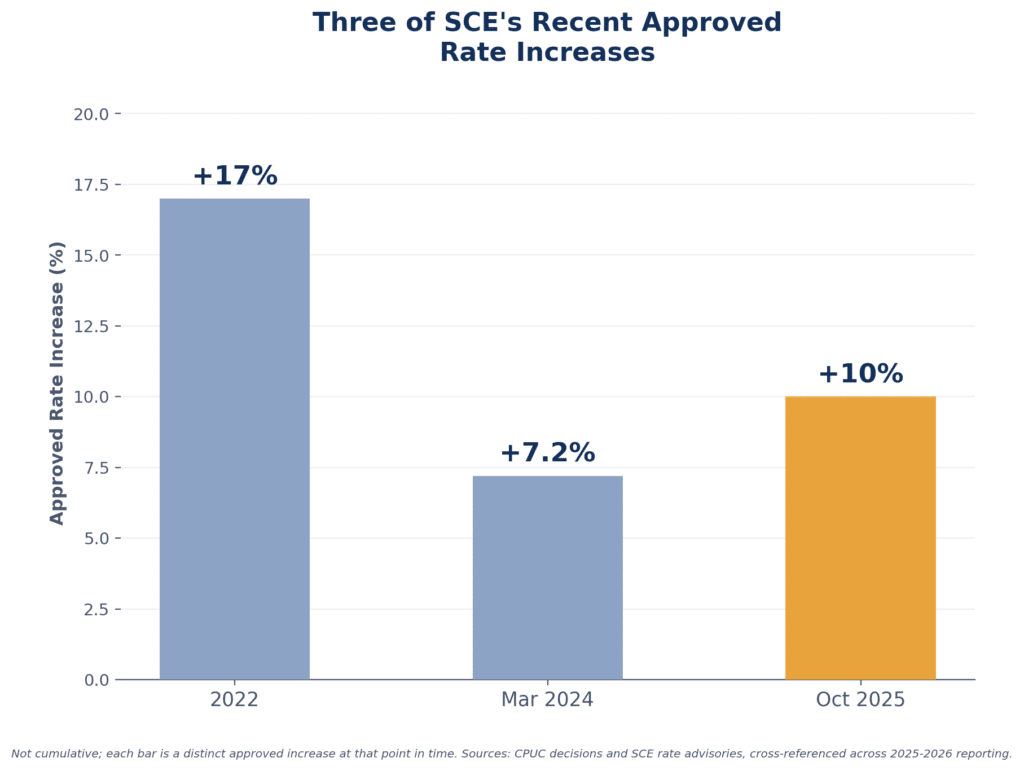
In several distinct, CPUC-approved steps. In 2022, SCE raised rates by 17%, adding roughly $85 to the typical customer’s annual bill. In March 2024, a further increase brought the average residential bill up about 7.2%. Most recently, effective October 1, 2025, the CPUC approved an additional increase of about 10%, pushing SCE’s average residential rate to roughly $0.353 per kWh (about $0.333 with the Climate Credit applied).
What’s Driving SCE’s Rate Increases Specifically?
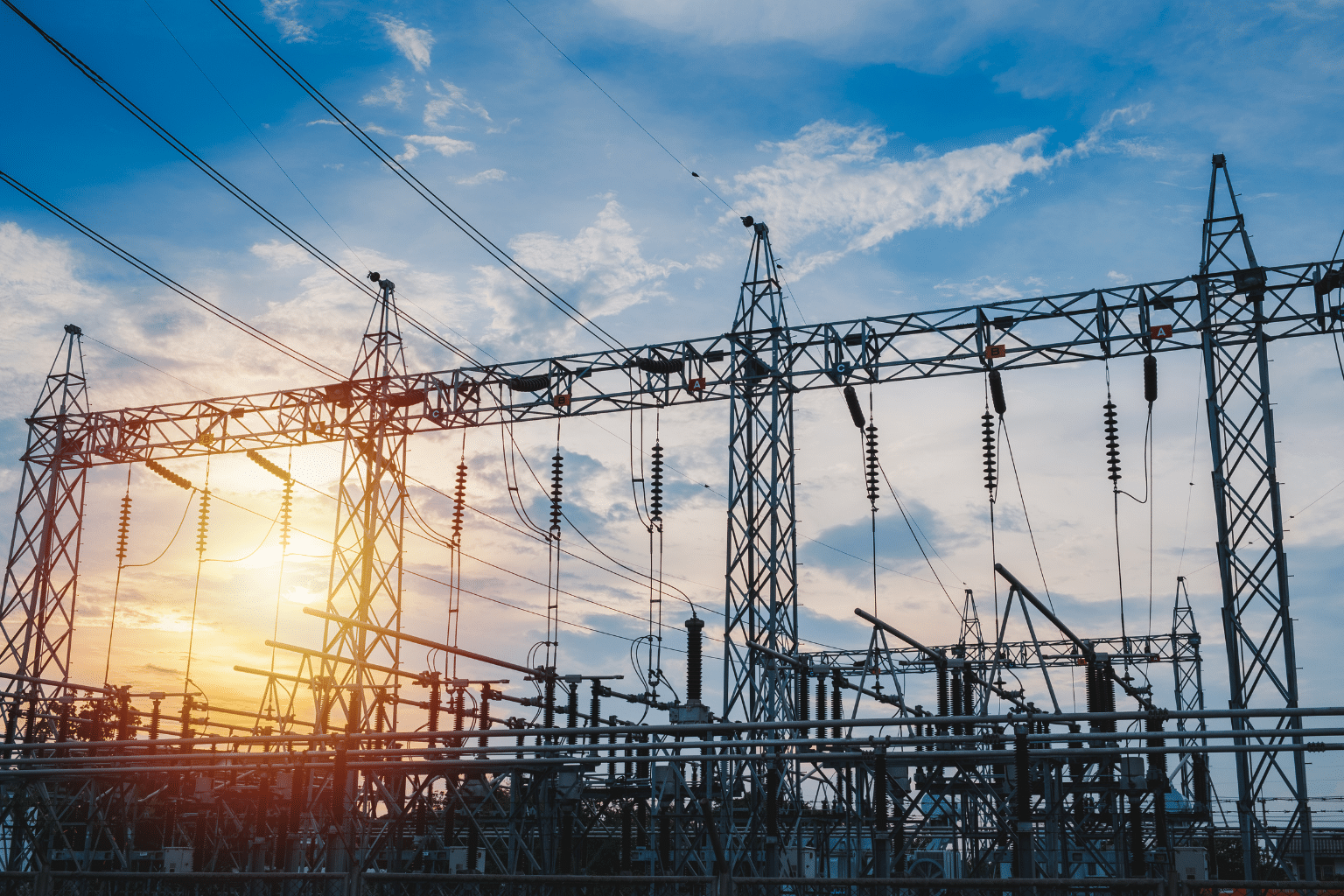
Two SCE-specific mechanisms, layered on top of the general statewide drivers covered in Why California Electric Rates Keep Increasing. First, SCE’s 2025 General Rate Case: per the Orange County Power Authority’s breakdown of CPUC Decision 25-09-030, SCE implemented a $1.685 billion increase in rates to recover funding approved in that case, partially offset by $665 million in previously recovered costs being removed from delivery rates. Second, wildfire mitigation cost recovery specifically: SCE separately implemented a $536 million rate increase to recover costs already incurred between 2022 and 2023 for reducing catastrophic wildfire risk, a distinct mechanism from the main GRC. Worth knowing: generation, the electricity itself, makes up only about 30% of a typical SCE bill. Delivery, the transmission and distribution infrastructure, meters, and wildfire mitigation work, makes up the other 70%, which is exactly where most of the increase pressure sits.
How Does an SCE Rate Increase Affect a Typical Monthly Bill?
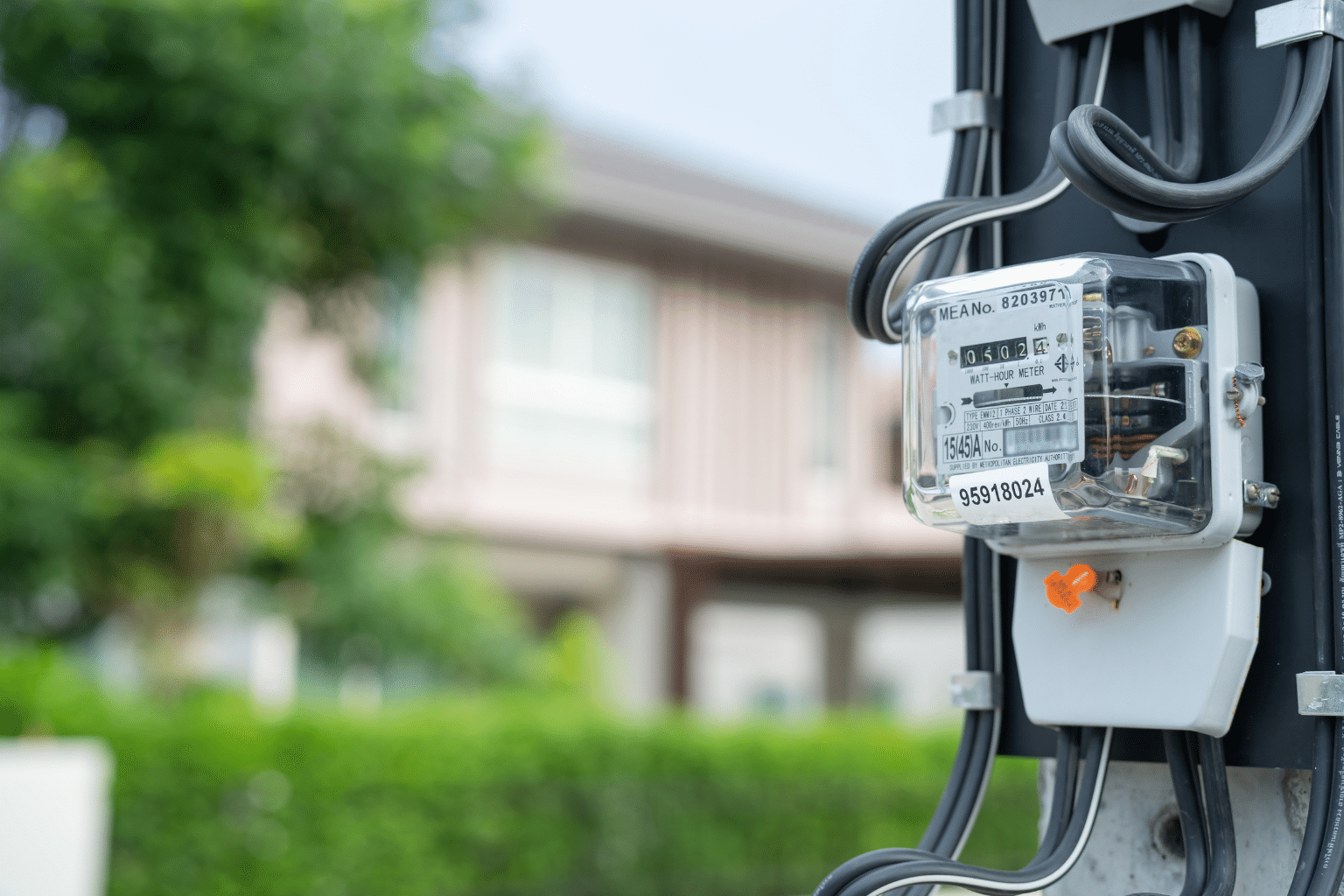
The October 2025 increase offers a concrete example. For a household using 500 kWh per month, roughly typical for a single-family home, the average bill rose from about $171.17 to about $193.23, a 12.9% increase, or an extra $22 a month, close to $264 a year. CARE-program customers saw a slightly larger proportional jump, about 13.3%. On top of usage-based charges, SCE, like SDG&E and PG&E, now applies a flat monthly fixed charge, currently around $24.15 for standard residential customers, that solar export credits cannot offset, part of why the per-kWh rate alone doesn’t tell the whole story of what a bill actually does.
Is SDG&E’s Rate Trend Similar to SCE’s?
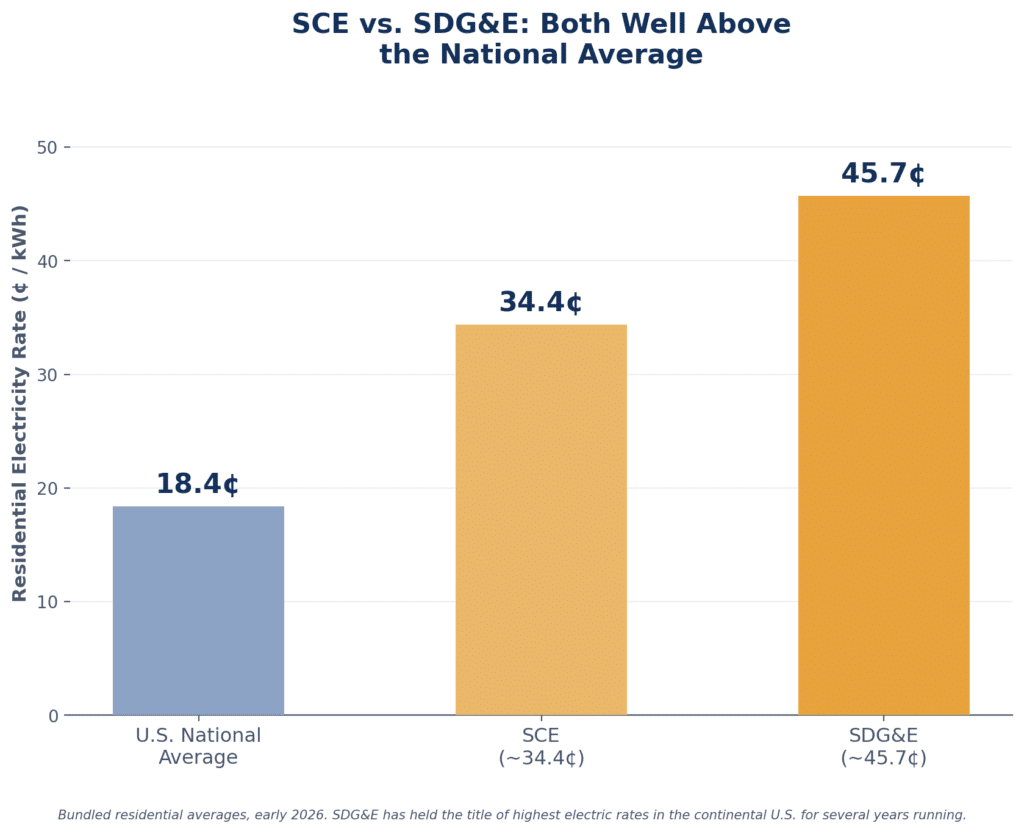
Directionally yes, but SDG&E’s actual rate is meaningfully higher. As of January 2026, SDG&E’s bundled residential average rate sits at roughly 45.7¢ per kWh, after an 11.4% jump in a single consolidated filing, compared to SCE’s roughly 34.4¢. SDG&E has held the title of highest electric rates in the continental United States for several years running, a distinction tied to the same underlying pressures, wildfire mitigation and grid infrastructure spending, that drive SCE’s increases, just compounded by SDG&E’s smaller customer base spreading similar fixed costs across fewer ratepayers.
How Much Could Solar Offset an SCE Rate Increase for My Home?
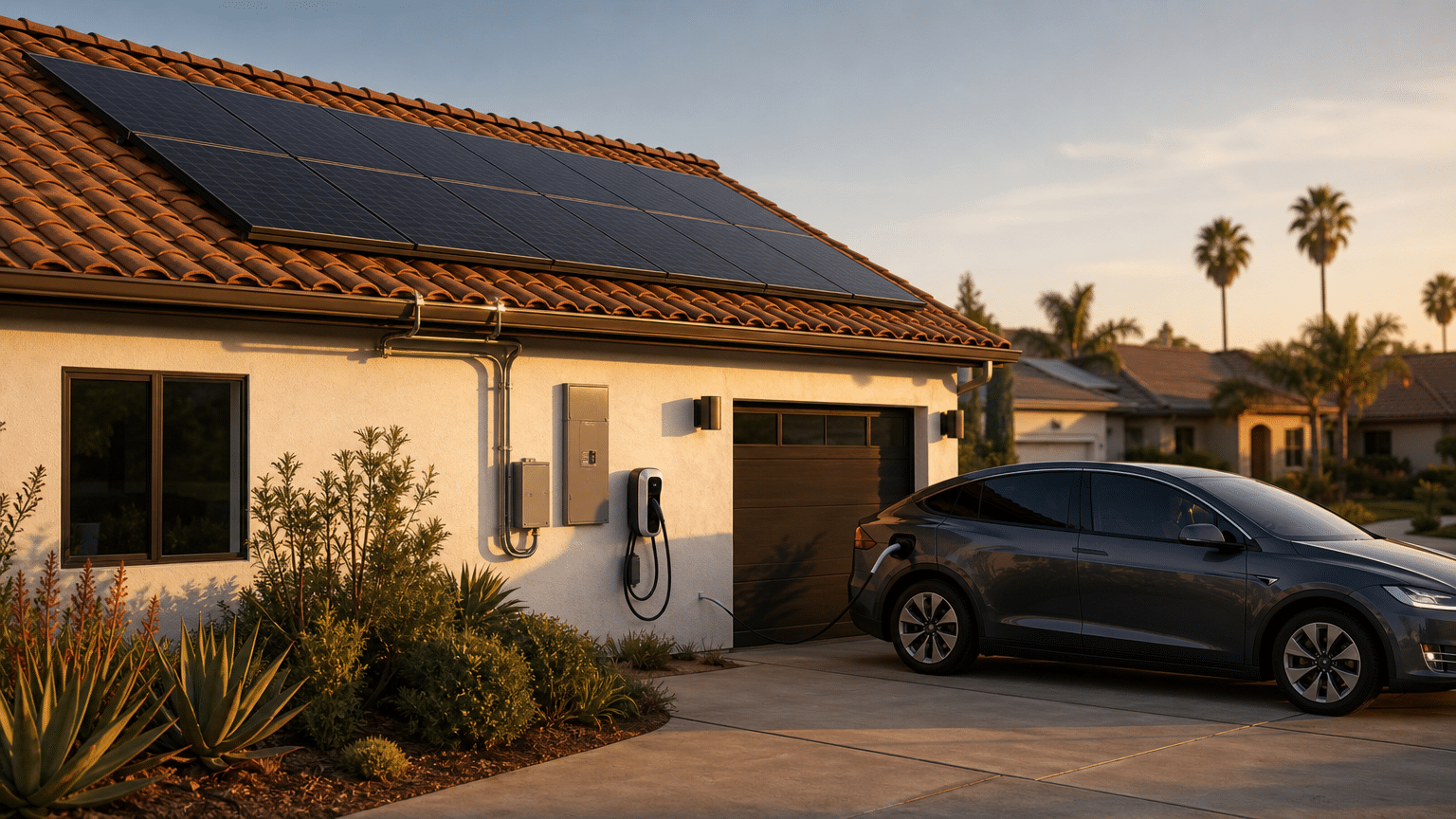
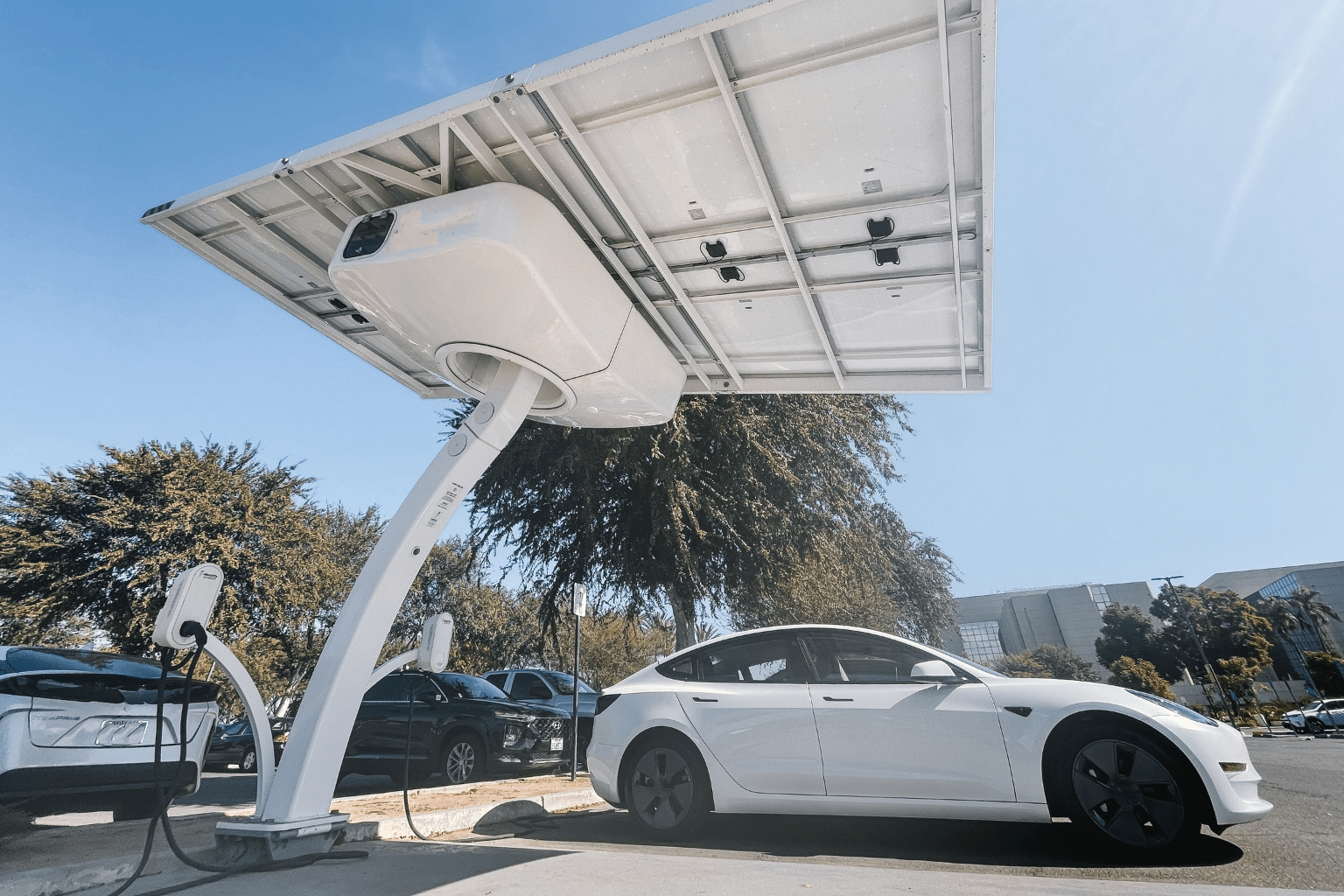
Meaningfully, since every kWh your own system produces and you use is a kWh you’re not buying from SCE at whatever the current approved rate happens to be. At SCE’s current roughly 34.4¢ per kWh, a system producing and offsetting, say, 800 kWh a month represents real monthly savings that scale automatically with future rate increases, you’re not locked into paying the utility’s next approved increase on the portion of usage your system covers. Pairing solar with a battery adds a second layer under NEM 3.0’s Time-of-Use pricing, letting you shift consumption away from the most expensive hours rather than paying peak rates directly, covered in full in Why California Electric Rates Keep Increasing and Generator vs Battery Backup: Which Is Better?
How Can HomeLink Solar Help Lower My Exposure to SCE Rate Increases?
HomeLink Solar (CSLB License #1117534) designs solar-plus-battery systems sized to your household’s actual usage against SCE’s current rate structure, with an emphasis on ownership so the savings compound as rates rise rather than resetting with a lease payment. Owner Mandy oversees every install personally, with no subcontractors. See real completed installs on our our installs page, explore no-large-upfront-cost options through our Power Choice Program, compare us directly to a national provider in HomeLink vs. Sunrun, or get a free personalized quote.
SCE Rates FAQs
How much has SCE increased rates over the past several years?
In several approved steps: 17% in 2022, about 7.2% in March 2024, and about 10% effective October 2025, bringing SCE’s average residential rate to roughly 34.4¢ per kWh.
What’s driving SCE’s rate increases specifically?
Primarily SCE’s 2025 General Rate Case ($1.685 billion in new revenue, per CPUC Decision 25-09-030) and a separate $536 million wildfire mitigation cost-recovery increase for 2022-2023 spending. Delivery and infrastructure make up about 70% of a typical bill, versus about 30% for generation.
How does an SCE rate increase affect a typical monthly bill?
The October 2025 increase raised a typical 500 kWh/month bill from about $171.17 to about $193.23, a 12.9% increase, plus a flat monthly fixed charge of roughly $24.15 that applies regardless of usage.
Is SDG&E’s rate trend similar to SCE’s?
Directionally similar, but SDG&E’s actual rate is higher, roughly 45.7�-� per kWh as of January 2026 versus SCE’s roughly 34.4¢, giving SDG&E the highest electric rates in the continental U.S.
How much could solar offset an SCE rate increase for my home?
Every kWh your system produces and you use directly offsets SCE’s current rate, and that offset scales automatically as future rate increases are approved, rather than resetting with a lease or subscription payment.
Related Reading
See Why California Electric Rates Keep Increasing for the statewide drivers and regulatory process, Why Backup Power Is Becoming Essential in California, Generator vs Battery Backup: Which Is Better?, and HomeLink vs. Sunrun.
Sources
- Orange County Power Authority — SCE Rate Changes Explained (CPUC Decision 25-09-030)
- Baker Home Energy — California Electric Rates Are Surging: What You Need to Know
- Citadel Roofing & Solar — Southern California Edison’s Rate Increases
- Helios Energy Global — SDG&E Rate Changes 2026: Rate Tracker
- SCE — Historical Prices & Rate Schedules